
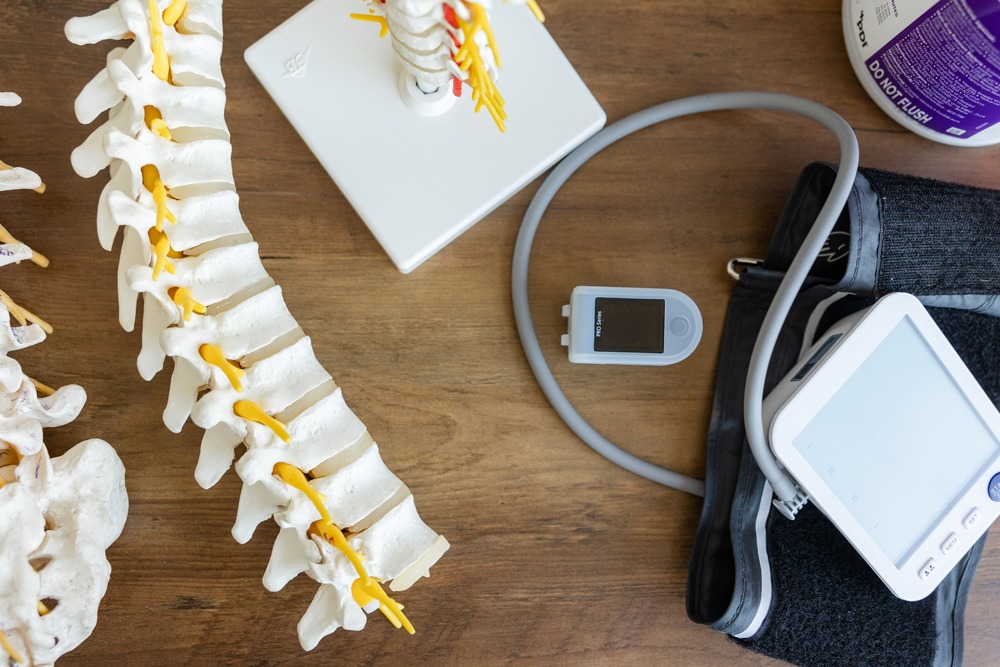
 A spinal cord stimulator is a device that sends electrical impulses to specific areas of the spinal cord in order to relieve pain.
How does a spinal cord stimulator work?
A spinal cord stimulator delivers small electrical impulses to the nerves in the spinal cord that disrupt pain signals before they reach the brain. This results in pain relief, improved quality of life, decrease in the use of pain medications, and an improvement in activity level.
What are the indications for a Spinal Cord Stimulator?
Spinal cord stimulation can be used to treat pain from a wide variety of conditions including:
- Chronic low back pain
- Chronic lumbar radiculopathy
- Persistent pain following back surgery
- Failed Back Surgery Syndrome
- Complex Regional Pain Syndrome (CRPS) or Reflex Sympathetic Dystrophy (RSD)
- Chronic neck pain
- Chronic cervical radiculopathy
- Persistent pain following neck surgery
- Diabetic peripheral neuropathy
- Nerve damage or nerve injuries
- Arachnoiditis
- Phantom Limb Pain
- Sciatica
- Ischemic pain from peripheral vascular disease
How do I know if a spinal cord stimulator will help with my pain?
Before a permanent stimulator is implanted surgically, you will undergo a trial. This involves placing a temporary spinal cord stimulator to see if it relieves your pain. The trial stimulator involves placing 1-2 wires, or “leads” into your spinal canal in the epidural space. These trial leads are typically left in place for 5-7 days. During this time, you will test out the stimulator to see if it is effective. Typically, it is considered a successful trial if you receive >50% pain relief, are able to decrease your use of pain medication, and improve your activity level.
How is a spinal cord stimulator trial performed?
This is typically done under light sedation. The stimulator leads are placed by your doctor under x-ray guidance into your spinal canal in the epidural space. This is done through needles. No incisions are made. Once the leads are in the desired location, the stimulation is turned on while you are awake to make sure that you feel the stimulation in the areas you have pain.
After the trial, you will be in the recovery area for 30 minutes to 1 hour. The stimulator will be programmed before you go home.
How is a permanent spinal cord stimulator implanted?
There are two ways of implanting the stimulator surgically. Either a paddle lead is placed over the spinal cord through a small open incision and removal of the lamina by a neurosurgeon or a percutaneous lead is placed through the use of a needle by an interventional pain physician. The surgery involves 2 small incisions. A small battery is implanted in the lower back. This battery will typically have to be replaced every 5-10 years. You are generally discharged on the same day or the following day of the surgery.
What are the risks and potential complications of a spinal cord stimulator?
In general, the risks of inserting a spinal cord stimulator are low. The potential risks may include bleeding, infection, lead migration, injury to nerves, injury to the spinal cord, paralysis, and death.
